Sanya, a tropical coastal pearl located at the southern tip of Hainan Island, is known as the “Oriental Hawaii” and a holiday paradise in the hearts of countless people. The climate here is warm and pleasant all year round. The tropical maritime monsoon climate makes the four seasons seem to merge into one, with no frost all year round. Whenever you come, you can encounter a clear blue sky, azure sea water and delicate beaches.
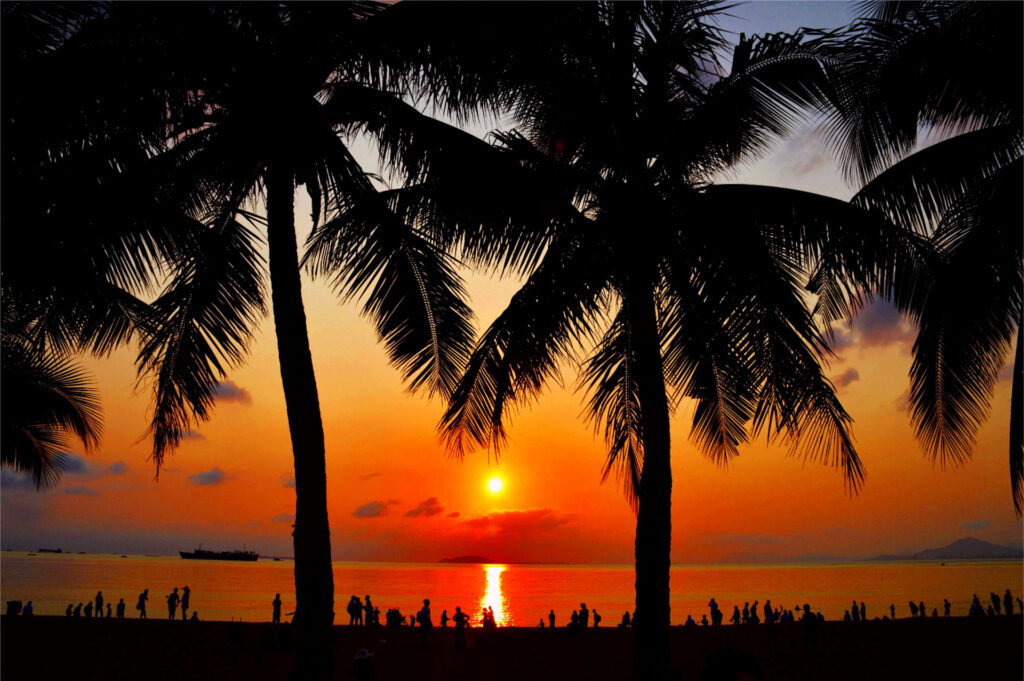
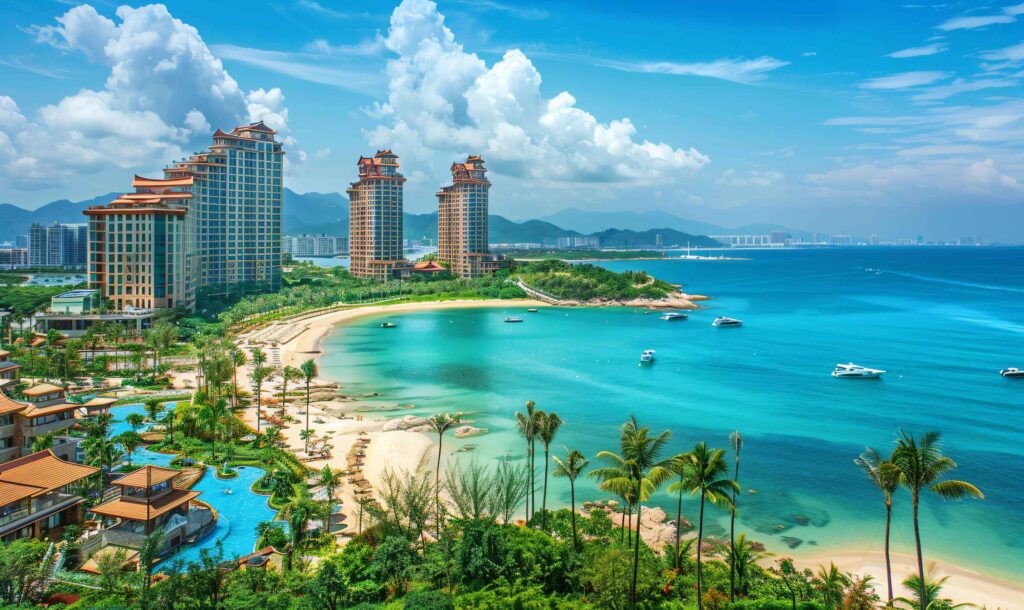
As a world-class coastal tourist resort, Sanya boasts both charming natural and cultural landscapes. Yalong Bay, renowned as the “No.1 Bay Under Heaven”, is worthy of its reputation. With an open bay and crystal-clear sea water, it is an excellent place for diving, surfing and sunbathing. Haitang Bay, on the other hand, is famous for its cluster of luxury resort hotels and quiet coastal scenery, suitable for tourists pursuing high-quality leisure experiences. Tianya Haijiao (End of the Earth) carries the romantic meaning of “vows of eternal love”. The iconic picture composed of boulders, blue sea and coconut groves is one of Sanya’s spiritual symbols.
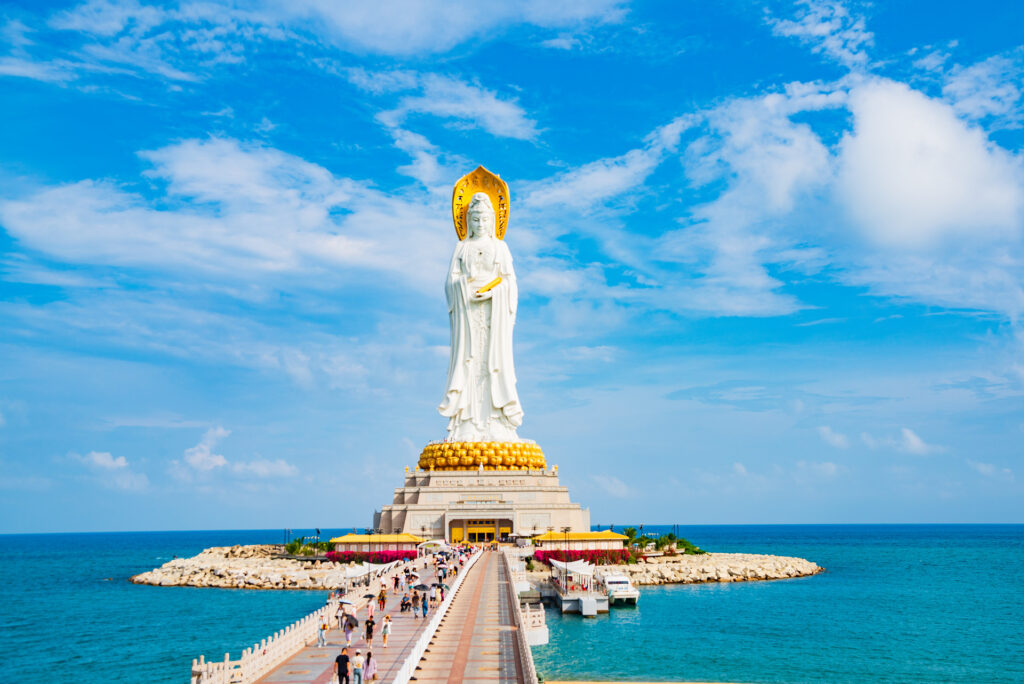
In addition to the stunning coastal scenery, Sanya also hides rich and diverse experiences. In Nanshan Cultural Tourism Zone, the 108-meter-high Guanyin Statue on the Sea stands solemnly, making it a sacred place for praying and making wishes. Yalong Bay Tropical Rainforest Cultural Tourism Zone takes you deep into the tropical secret realm, walking along the rainforest plank road, listening to the chirping of insects and birds, and feeling the vitality and tranquility of nature. Moreover, Sanya’s seafood feast, tropical fruits, and the characteristic cuisines of the Li and Miao ethnic groups will make your taste buds and body and mind indulge together.
Convenient transportation and complete tourism supporting facilities make Sanya an easily accessible holiday resort. Whether it’s a family trip, a couple’s honeymoon or a leisure and health vacation, it can satisfy all your imagination of a tropical holiday.